

MCL and LCL Tear Treatment in Louisville, KY
Expert MCL and LCL Tear Treatment From a Fellowship-Trained Orthopedic Knee Specialist
The MCL and LCL are two of the four major ligaments that stabilize the knee, running along the inner and outer sides of the joint respectively. When either ligament is sprained or torn, the knee can lose the lateral stability it needs for walking, running, pivoting, and nearly every other lower-body movement. These injuries are common in contact sports and high-impact activities, and while many can be managed without surgery, more severe tears require careful evaluation and a well-structured treatment plan to ensure full recovery.
Dr. Nyagon Duany is a fellowship-trained orthopedic surgeon in Louisville, KY, with specialized training in sports medicine and total joint replacement. She is experienced in diagnosing and treating the full range of knee ligament injuries, from isolated collateral ligament sprains to complex multi-ligament cases. Dr. Duany takes a conservative-first approach whenever appropriate and works closely with each patient to develop a recovery plan that aligns with their activity level, lifestyle, and goals.
If a knee injury has been limiting your movement or keeping you off the field, use our online form to request an appointment with Dr. Duany today.
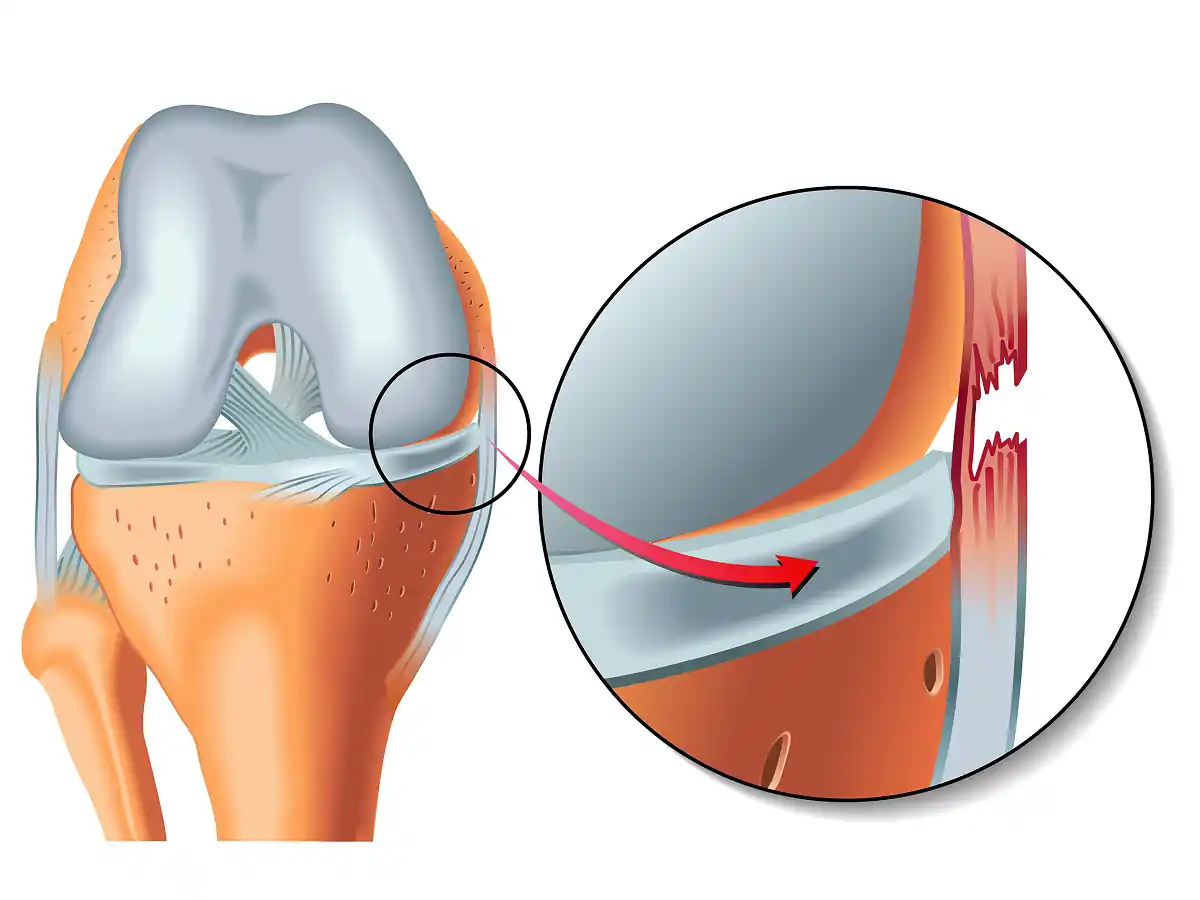
MCL and LCL Injuries: Causes, Symptoms & Treatment Options
What You Need to Know About MCL and LCL Tears
The medial collateral ligament (MCL) runs along the inner side of the knee, connecting the thighbone (femur) to the shinbone (tibia) and providing resistance against forces that push the knee inward. The lateral collateral ligament (LCL) runs along the outer side of the knee, connecting the femur to the smaller lower leg bone (fibula) and protecting against forces that push the knee outward. Together with the ACL and PCL, these ligaments form the structural framework that keeps the knee stable during both static and dynamic activity.
MCL Tear Causes and Symptoms
MCL injuries typically result from a direct blow to the outer side of the knee, forcing the joint inward. This mechanism is common in contact sports such as football, soccer, and hockey. MCL tears are graded on a scale of I to III based on severity, with Grade I representing a mild sprain and Grade III indicating a complete rupture.
Common MCL tear symptoms include:
- Pain and tenderness along the inner side of the knee
- Swelling and bruising over the medial joint line
- A feeling of instability or the knee buckling inward
- Pain when the knee is stressed inward (valgus stress)
- Stiffness and limited range of motion
LCL Tear Causes and Symptoms
LCL injuries are less common than MCL injuries but should be taken seriously, as they often involve other structures on the outer side of the knee. They typically result from a blow to the inner side of the knee or from a non-contact mechanism involving hyperextension or rotation. LCL tears are also graded I to III.
Common LCL tear symptoms include:
- Pain and tenderness along the outer side of the knee
- Swelling and bruising over the lateral joint line
- A feeling of instability or the knee giving way outward
- Weakness and difficulty bearing full weight on the leg
- Pain when the knee is stressed outward (varus stress)
Because LCL injuries frequently occur alongside other knee injuries such as ACL and PCL tears or meniscus tears, a thorough evaluation is essential to identify all injured structures before beginning treatment.
MCL and LCL Treatment Options
For many Grade I and Grade II MCL and LCL injuries, conservative treatment is effective and may include:
- Rest, ice, and compression during the initial phase of injury
- A supportive brace to protect the ligament and allow controlled movement during healing
- Physical therapy to restore strength, stability, and range of motion
- Anti-inflammatory medications to manage pain and swelling
Grade III tears, or injuries that do not respond to conservative care, may require surgical repair or reconstruction. MCL repairs are sometimes performed when the ligament has avulsed from its bony attachment; more complex tears may require reconstruction using a graft. LCL injuries involving complete rupture or multi-ligament involvement often benefit from surgical intervention as well. Dr. Duany uses arthroscopic and reconstructive procedures where appropriate and will outline all available options clearly during your consultation.
Frequently Asked Questions
What are the most common MCL and LCL tear symptoms?
MCL tears most often cause pain, tenderness, and swelling along the inner side of the knee, along with a feeling of instability when the knee is pushed inward. LCL tears produce similar symptoms on the outer side of the knee, including pain, bruising, and a sense that the joint is giving way outward. Both injuries can vary significantly in severity, so it is important to have any suspected knee ligament injury evaluated promptly by an experienced orthopedic knee specialist to determine the grade of injury and the most appropriate course of treatment.
Do I need surgery for an MCL or LCL tear?
Whether surgery is necessary depends on the grade of the tear, whether other knee structures are involved, and your activity level and goals. Many Grade I and Grade II MCL injuries heal well with conservative treatment, including bracing and physical therapy. Grade III tears, LCL injuries with complete rupture, and multi-ligament injuries are more likely to require surgical repair or reconstruction to restore full stability. Dr. Duany will review your imaging and perform a thorough examination to give you a clear, honest recommendation based on your specific injury and what is most likely to get you back to full function.
Can MCL and LCL injuries occur alongside other knee injuries?
Yes, collateral ligament injuries frequently occur alongside other knee injuries, particularly ACL tears, PCL tears, and meniscus tears. Multi-ligament knee injuries require careful evaluation to identify all damaged structures, as treating only one component while leaving others unaddressed can result in persistent instability and a longer recovery. Dr. Duany conducts a comprehensive assessment of every knee injury to ensure nothing is missed, and she develops a coordinated treatment plan that addresses the full picture of your injury.
How do I find an orthopedic knee specialist near me in Louisville, KY?
If you are searching for a knee doctor or orthopedic knee specialist in Louisville, KY, Dr. Duany makes it straightforward to get started. Fill out our online appointment request form or call us at (502) 629-5633, and our team will follow up to confirm your visit. Dr. Duany sees patients at two convenient Louisville locations and is committed to providing expert, personalized knee care to patients throughout the metro area. We look forward to helping you recover and return to the activities you love.