

Cartilage Preservation Surgery in Louisville, KY
Cartilage Preservation and Joint Preservation Procedures From a Fellowship-Trained Orthopedic Surgeon
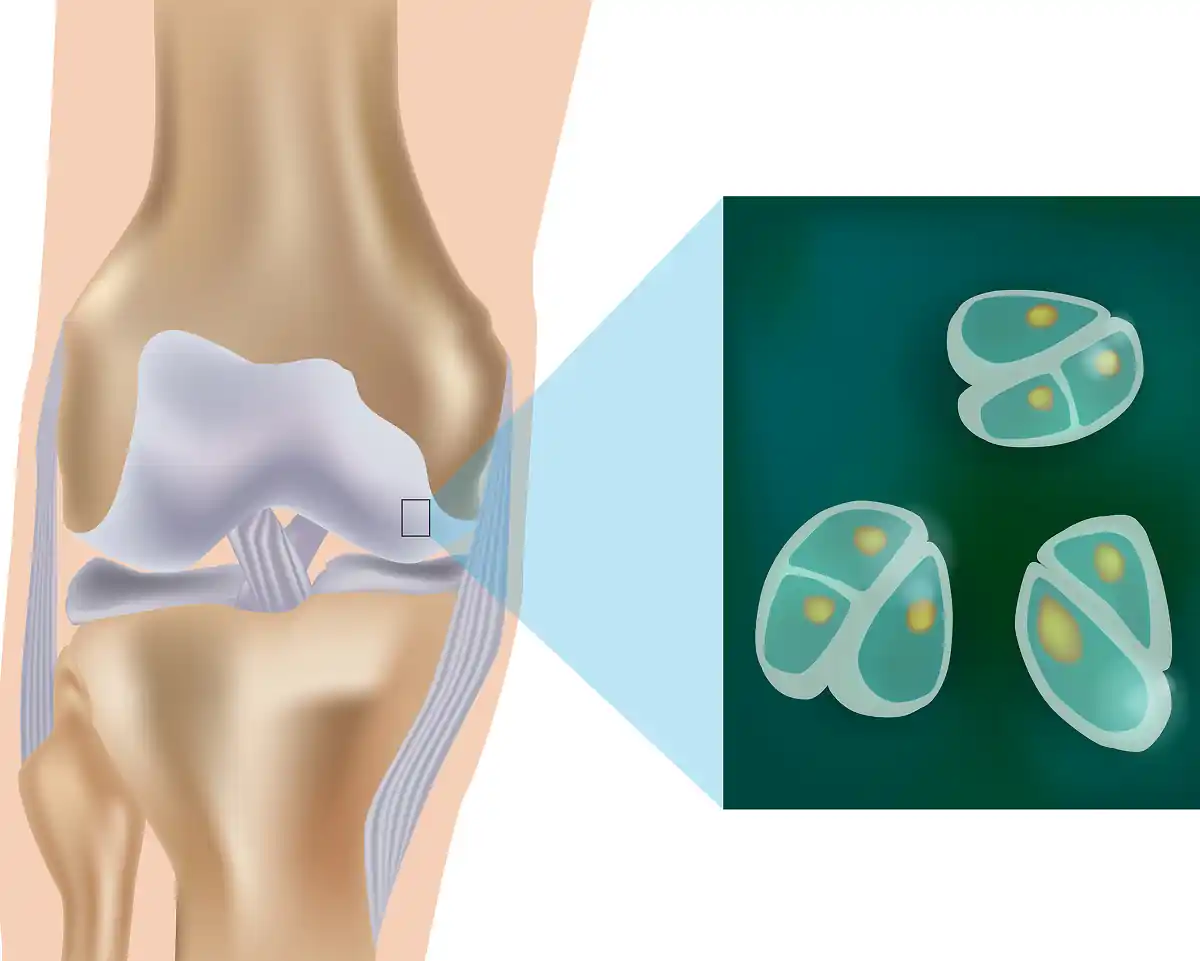
Cartilage is the smooth, cushioning tissue that covers the ends of bones in your joints, allowing them to move freely and without friction. Unlike most tissues in the body, cartilage has very limited ability to heal on its own. When it becomes damaged through injury, repetitive stress, or the early stages of a degenerative condition, the consequences can worsen progressively if left unaddressed. Cartilage preservation procedures aim to restore or protect damaged cartilage before that damage advances to the point where joint replacement becomes necessary.
Dr. Nya Duany is a fellowship-trained orthopedic surgeon in Louisville, KY, with dual training in sports medicine and total joint replacement. That combination gives her a uniquely comprehensive perspective on joint health, allowing her to guide patients across the full continuum of care, from early cartilage preservation to advanced reconstruction. For active patients and athletes who want to protect their joints and maintain function for as long as possible, cartilage preservation can be a powerful and effective option.
If you have been told you have cartilage damage, or are experiencing joint pain that has not responded to conservative treatment, use our online form to request an appointment with Dr. Duany today.
Cartilage Preservation Procedures, Candidates & Outcomes
Understanding Cartilage Damage and Joint Preservation Treatment
What Is Cartilage Damage?
Cartilage damage can occur as a result of a traumatic injury, such as a knee ligament tear or direct impact to a joint, as well as through gradual wear over time. In the knee, cartilage damage is often found alongside injuries such as meniscus tears. In some cases, a condition called chondromalacia, in which the cartilage beneath the kneecap softens and degrades, can cause significant pain and limit daily function. When cartilage damage is identified and treated early, the likelihood of preserving joint function and delaying or avoiding joint replacement is significantly improved.
Who Is a Candidate for Cartilage Preservation?
Cartilage preservation procedures are most effective for younger, active patients with localized cartilage defects rather than widespread, advanced joint degeneration. Candidates typically include patients with cartilage injuries resulting from sports or trauma, patients with early-stage cartilage wear who want to protect their joints proactively, and patients who have been advised that joint replacement may be a future consideration and want to delay that outcome for as long as possible.
Dr. Duany evaluates each patient individually, reviewing imaging, assessing the location and extent of cartilage damage, and taking lifestyle factors into account before recommending a specific procedure.
Cartilage Preservation Procedures
Several joint preservation techniques are available, and the right approach depends on the size, depth, and location of the cartilage defect.
- Microfracture is a common first-line surgical technique in which small holes are made in the underlying bone to stimulate the production of repair tissue. It is best suited for smaller cartilage defects and is typically performed arthroscopically.
- Osteochondral autograft transplantation (OAT) involves harvesting small plugs of healthy cartilage and bone from a low-demand area of the patient's own joint and transferring them to the damaged site. This is a reliable option for small to medium-sized defects and uses the patient's own tissue, reducing concerns about rejection or compatibility.
- Osteochondral allograft transplantation (OCA) uses donor tissue to fill larger cartilage defects. It is often preferred when the damaged area is too large to be addressed with the patient's own tissue alone.
- Autologous chondrocyte implantation (ACI/MACI) is a two-stage procedure in which the patient's own cartilage cells are harvested, cultivated in a lab to increase their number, and then reimplanted into the damaged area. This technique is typically reserved for larger defects and patients who have not responded well to other cartilage procedures.
In some cases, platelet-rich plasma (PRP) therapy may be used alongside cartilage preservation procedures as a supportive treatment to help reduce inflammation and promote healing.
Frequently Asked Questions
What are the symptoms of cartilage damage in a joint?
Cartilage damage does not always cause immediate or obvious symptoms, but common signs include joint pain that worsens with activity, swelling, stiffness, and a clicking or grinding sensation during movement. In the knee, patients may also notice that the joint feels unstable or occasionally locks up. Because cartilage has limited capacity to repair itself, symptoms that persist beyond a few weeks following an injury or that worsen over time should be evaluated by an experienced orthopedic surgeon as soon as possible.
What is the difference between cartilage preservation and joint replacement?
Cartilage preservation focuses on restoring or protecting damaged cartilage to maintain the natural joint for as long as possible. It is best suited for patients with localized damage who have not yet progressed to widespread joint degeneration. Joint replacement, such as total shoulder replacement, is typically recommended when cartilage loss is extensive and conservative or preservation-based treatments are no longer adequate. Dr. Duany will assess the extent of your cartilage damage and help you understand which approach is most appropriate for your current condition and long-term goals.
How long does recovery take after cartilage preservation surgery?
Recovery timelines vary depending on the procedure performed and the size of the cartilage defect being treated. Microfracture typically requires several weeks of limited weight bearing followed by a structured physical therapy program, with return to full activity over three to six months. Larger or more complex procedures such as OCA or ACI/MACI may require a longer recovery period of six months to a year before full return to sport or high-demand activity. Dr. Duany will provide a clear recovery plan and monitor your progress closely throughout rehabilitation.
How do I find a joint specialist doctor near me in Louisville, KY?
If you are searching for a joint specialist doctor or orthopedic surgeon near you in the Louisville area, Dr. Duany makes it easy to get the care you need. Simply fill out our online appointment request form or call us at (502) 629-5633. Our team will follow up to confirm your visit. Dr. Duany sees patients at two Louisville locations and is committed to providing expert, personalized orthopedic care to patients throughout the metro area and surrounding communities. We look forward to seeing you.