

Frozen Shoulder Treatment in Louisville, KY
Expert Frozen Shoulder Treatment From a Fellowship-Trained Shoulder Specialist
Frozen shoulder, medically known as adhesive capsulitis, is a condition in which the tissue surrounding the shoulder joint becomes inflamed, thickened, and eventually filled with scar tissue. The result is a progressive loss of shoulder movement that can develop gradually and persist for months or even years. At its worst, even simple actions like reaching for a shelf, fastening clothing, or sleeping comfortably can feel impossible. The condition is most common in adults between the ages of 40 and 60 and is significantly more prevalent in women, though it can affect anyone.
Dr. Nyagon Duany is a fellowship-trained orthopedic shoulder specialist in Louisville, KY, with dual training in sports medicine and total joint replacement. She is experienced in diagnosing and treating frozen shoulder at every stage of its progression, offering both conservative and surgical options tailored to the individual patient. Dr. Duany understands how disruptive a frozen shoulder can be to daily life and takes a patient, thorough approach to care, ensuring each treatment plan is matched to where you are in the recovery process.
If shoulder stiffness or pain has been limiting your movement, use our online form to request an appointment with Dr. Duany today.
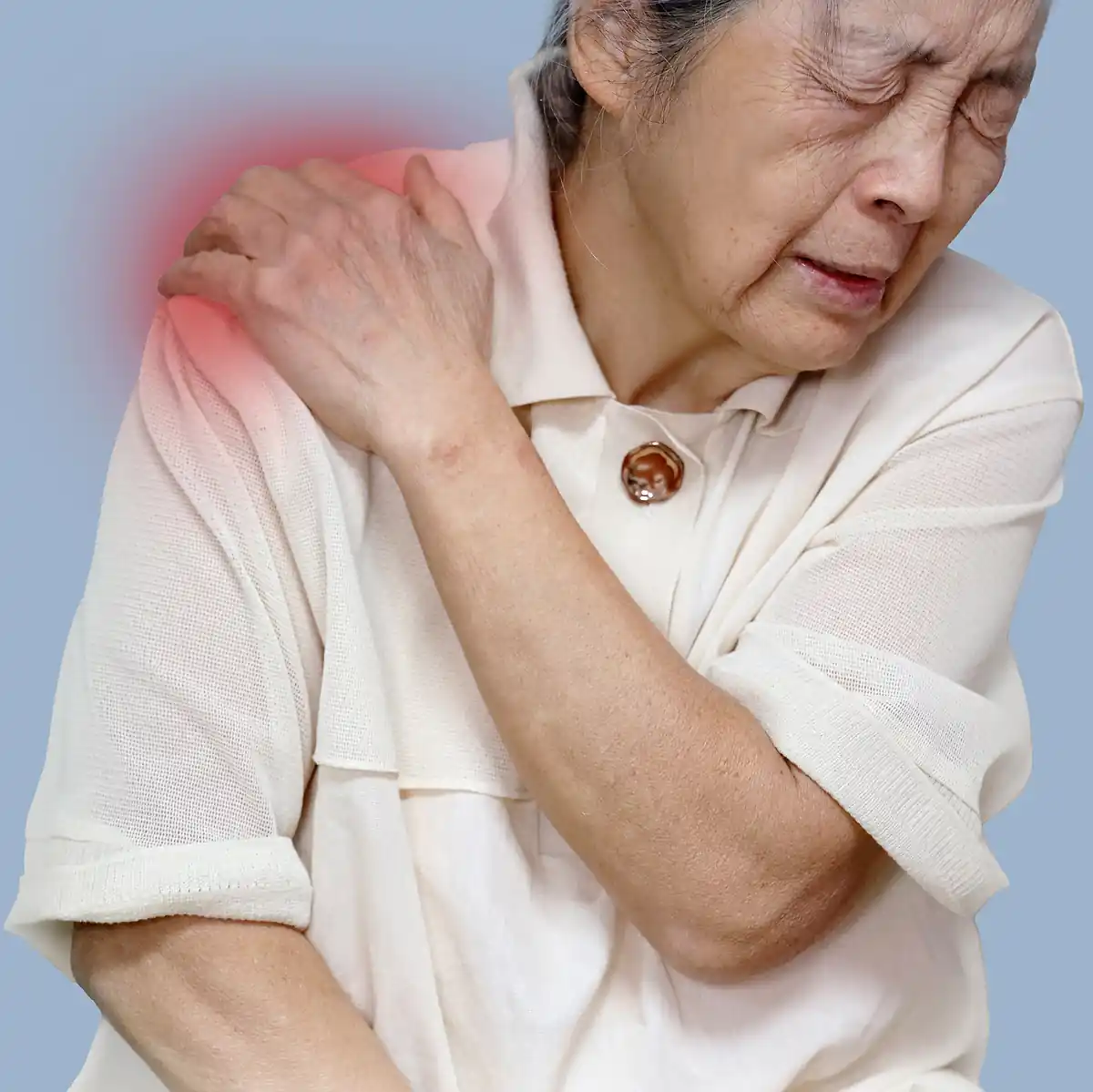
Causes, Stages & Treatment Options for Frozen Shoulder
Understanding Frozen Shoulder (Adhesive Capsulitis)
What Causes Frozen Shoulder?
The exact cause of frozen shoulder is not always clear. In many cases, it develops without an obvious trigger; this is referred to as idiopathic frozen shoulder. In other cases, it follows a period of shoulder immobilization after an injury or surgery. It is also associated with underlying health conditions such as diabetes, thyroid disorders, and cardiovascular disease. Patients who have experienced other shoulder conditions such as rotator cuff tears or shoulder bursitis and tendinitis may also be at increased risk of developing adhesive capsulitis.
The Three Stages of Frozen Shoulder
Frozen shoulder typically progresses through three distinct stages, each with its own characteristics and duration.
- The freezing stage is characterized by a gradual onset of pain that worsens over time, accompanied by increasing stiffness. This stage can last anywhere from six weeks to nine months and is often the most painful phase of the condition.
- The frozen stage is a period in which pain may begin to subside, but stiffness remains severe and range of motion is significantly limited. This stage typically lasts between four and twelve months.
- The thawing stage is when shoulder motion gradually begins to return. Full recovery during this phase can take anywhere from six months to two years, though many patients see meaningful improvement with appropriate treatment well before the natural resolution of the condition.
Frozen Shoulder Symptoms
Common frozen shoulder symptoms include:
- Progressive pain in the shoulder that worsens with movement
- Significant stiffness and a marked reduction in range of motion in all directions
- Difficulty reaching overhead, behind the back, or across the body
- Aching that is often worse at night, particularly when lying on the affected shoulder
- Decreased ability to perform daily activities such as dressing, driving, or reaching
Because frozen shoulder symptoms can sometimes resemble those of other conditions such as shoulder arthritis, an accurate diagnosis from an experienced shoulder specialist is essential before beginning any treatment.
Frozen Shoulder Treatment Options
Treatment is tailored to the stage of the condition and the severity of symptoms. Conservative options include:
- Physical therapy to gradually stretch the joint capsule and restore range of motion over time
- Anti-inflammatory medications to reduce pain and inflammation
- Corticosteroid injections to decrease inflammation within the joint and support more effective physical therapy
For patients whose frozen shoulder does not respond adequately to conservative care, surgical options may be considered. Dr. Duany performs manipulation under anesthesia (MUA) and arthroscopic lysis of adhesions, carefully releasing the thickened, scarred joint capsule to restore movement. Both approaches can produce significant improvements in range of motion and pain relief for well-selected patients.
Frequently Asked Questions
What are the symptoms of frozen shoulder?
The hallmark symptoms of frozen shoulder are progressive pain and stiffness that limit movement in all directions. Unlike many other shoulder conditions, which restrict motion in only certain directions, frozen shoulder tends to reduce the full range of movement uniformly. Pain is often worse at night and during activities that involve reaching or rotating the arm. If you have noticed a gradual, worsening loss of shoulder mobility alongside persistent pain, a prompt evaluation with a shoulder specialist is strongly recommended.
How long does frozen shoulder last, and will it resolve on its own?
Frozen shoulder can resolve on its own over time, but the process is often slow, sometimes taking two years or longer without treatment. Many patients experience prolonged pain and stiffness that significantly affects their quality of life throughout that period. With appropriate treatment, including physical therapy, injections, and surgery when needed, recovery can be meaningfully accelerated. Early intervention is generally associated with better outcomes, so seeking care sooner rather than later is always advisable.
What does frozen shoulder surgery involve?
The most common surgical approach for frozen shoulder is arthroscopic capsular release, in which the thickened, scarred joint capsule is carefully released to allow the shoulder to move freely again. Dr. Duany typically performs this procedure on an outpatient basis. Manipulation under anesthesia (MUA) is another option, in which the shoulder is gently moved through its range of motion while the patient is under anesthesia to break up adhesions. Dr. Duany will discuss which approach, if any, is appropriate based on your specific stage, symptoms, and response to conservative treatment.
How do I find a frozen shoulder specialist near me in Louisville, KY?
If you are searching for a frozen shoulder specialist near you in the Louisville area, Dr. Duany makes it simple to get the care you need. Fill out our online appointment request form or give us a call at (502) 629-5633, and our team will follow up to confirm your visit. Dr. Duany sees patients at two Louisville locations and is committed to providing expert, personalized shoulder care to patients throughout the metro area. We look forward to helping you restore your movement and get back to living comfortably.